
Why Is My Tobacco Wet? An Artisan Pipemaker's Complete Guide
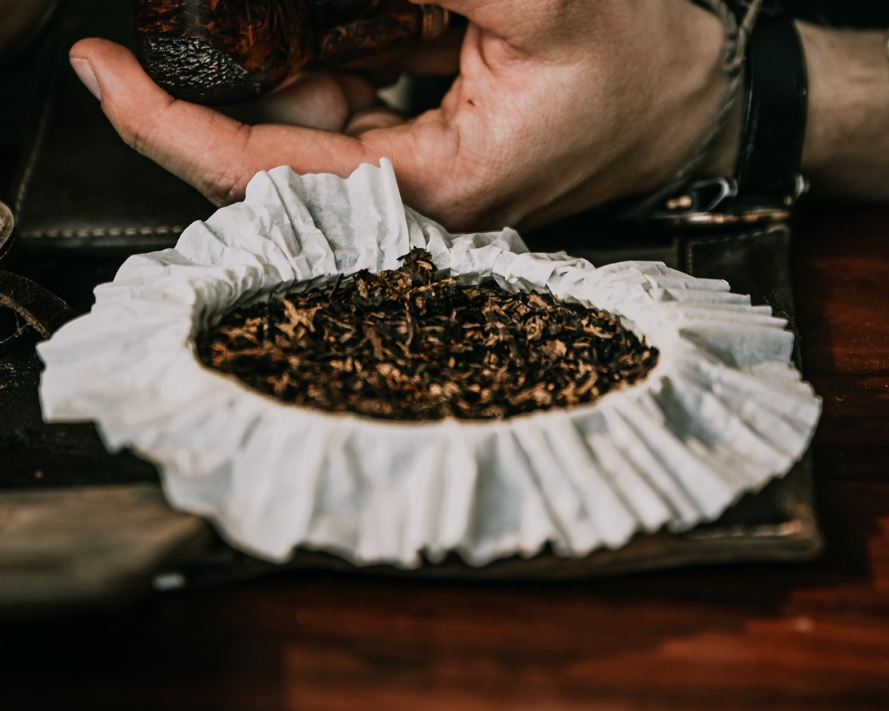
You pack your pipe with what seems like perfect tobacco, but halfway through the bowl it becomes damp, difficult to keep lit, and starts producing a wet, gurgling smoke.
If this sounds familiar, you're not alone.
One of the most common questions among pipe smokers is:
"Why is my tobacco wet?"
The answer is that pipe tobacco becomes wet for several different reasons. Sometimes the tobacco was packaged with more moisture than ideal. Sometimes moisture forms naturally while smoking. In other cases, smoking technique, weather, or pipe maintenance are responsible.
The good news is that almost every cause has a simple solution.
At Riberg Pipes, every handmade tobacco pipe is individually crafted from premium Mediterranean briar in Northern Europe. Carefully selected briar, precision drilling, and smooth airflow help create a cool, comfortable smoking experience, but proper tobacco preparation and smoking technique remain equally important.
This guide explains why pipe tobacco becomes wet, how to fix it, and how to enjoy a cooler, drier, and more flavorful smoke.
Quick Answer
Your tobacco is usually wet because of one or more of these reasons:
The tobacco contains too much moisture from the tin or pouch.
You are smoking too quickly.
Natural condensation is forming inside the pipe.
Humid weather is adding moisture.
Your pipe needs cleaning.
The tobacco has been stored improperly.
Most problems can be solved by allowing the tobacco to dry before smoking, cleaning the pipe regularly, and smoking with a slower cadence. Moisture control is one of the biggest factors affecting smoking quality.
Cause #1: Fresh Tobacco Is Often Too Moist
Many pipe tobaccos are intentionally packaged with higher moisture levels to preserve freshness during storage.
This is especially common with:
Aromatic blends
Newly opened tins
Vacuum-sealed tobaccos
Freshly packaged bulk blends
Although fresh tobacco stays in better condition inside the container, it is not always ready to smoke immediately.
Many experienced smokers spread tobacco on a clean sheet of paper for 15–60 minutes before packing the pipe.
The ideal drying time depends on:
The tobacco blend
Ambient humidity
Room temperature
Personal preference
Proper moisture makes a noticeable difference in combustion and flavor.
Cause #2: Natural Moisture Is Created While Smoking
Even perfectly prepared tobacco creates water.
This surprises many beginners.
When tobacco burns, combustion naturally produces:
Heat
Water vapor
Smoke
Combustion gases
As the hot smoke cools inside the stem and shank, some of that vapor condenses into liquid.
This is completely normal.
Every pipe produces some moisture during smoking, even under ideal conditions.
Cause #3: You're Smoking Too Fast
One of the biggest contributors to wet tobacco is smoking too aggressively.
Fast puffing creates:
More heat
More steam
More condensation
More moisture inside the pipe
The hotter the smoke becomes, the greater the amount of moisture that eventually condenses inside the airway.
Instead of puffing continuously:
Sip the pipe gently.
Allow brief pauses.
Relight when necessary.
Pipe smoking rewards patience.
Cause #4: Humid Weather
Sometimes the problem isn't the tobacco.
It's the environment.
On humid days, tobacco naturally absorbs moisture from the surrounding air.
Even tobacco that felt perfect yesterday may become noticeably damper today.
High humidity can also increase condensation inside the pipe during smoking. Experienced smokers frequently report that weather conditions noticeably affect tobacco moisture.
Cause #5: Your Pipe Needs Cleaning
Moisture doesn't disappear after each bowl.
If a pipe isn't cleaned regularly, tobacco oils and condensation remain inside:
The stem
The mortise
The shank
The airway
These deposits trap additional moisture during future smoking sessions.
Eventually the tobacco begins feeling wetter because the pipe itself contains accumulated moisture.
Cleaning after every smoke helps prevent this cycle.
Cause #6: Improper Storage
Pipe tobacco continually exchanges moisture with its surroundings.
If stored incorrectly:
It may dry excessively.
It may become overly damp.
It may fluctuate between both extremes.
For long-term storage:
Use airtight jars or sealed tobacco containers.
Avoid direct sunlight.
Avoid excessive heat.
Check moisture periodically.
Good storage preserves both flavor and smoking performance.
How Wet Should Pipe Tobacco Be?
There is no single perfect moisture level.
However, properly prepared tobacco should feel:
Soft
Slightly springy
Easy to separate
Not sticky
Not brittle
A useful test is the pinch test.
Pinch a small amount between your fingers.
If it clumps together and stays compressed, it is usually too wet.
If it immediately crumbles into dust, it is too dry.
Ideally, it should spring back gently.
How to Dry Pipe Tobacco Properly
Drying tobacco is simple.
Spread the tobacco loosely on:
Clean paper
A ceramic plate
A wooden tray
Leave it exposed to room air.
Typical drying times are:
Aromatics: 30–60 minutes
Virginia blends: 15–30 minutes
Burley blends: 15–30 minutes
These are guidelines rather than fixed rules.
Humidity and personal preference always influence the final result.
Can Wet Tobacco Damage a Pipe?
Usually not.
However, consistently smoking overly wet tobacco can contribute to:
Frequent gurgling
Sour flavors
Increased residue
Faster carbon buildup
More difficult lighting
Over time, excessive moisture also means more cleaning and less enjoyable smoking.
Preparing tobacco correctly is one of the easiest ways to improve every bowl.
Does Briar Help Manage Moisture?
Yes.
One reason premium Mediterranean briar has been preferred for more than a century is its natural ability to manage moisture while remaining exceptionally heat resistant.
Although no wood can eliminate condensation entirely, quality briar helps create a cooler, drier smoking experience when paired with good technique.
At Riberg Pipes, every handmade tobacco pipe begins with carefully selected Mediterranean briar before being individually drilled, shaped, and hand-finished in Northern Europe. Smooth airflow and careful engineering help the pipe perform consistently through years of regular use.
How to Prevent Wet Tobacco
These simple habits make an enormous difference.
Dry Tobacco Before Smoking
Especially with freshly opened tins.
Smoke Slowly
Gentle sipping creates less moisture than constant puffing.
Clean the Pipe Regularly
Run a pipe cleaner through the stem after every smoke.
Rotate Your Pipes
Allow approximately 24 hours between bowls whenever possible so the briar can dry thoroughly.
Store Tobacco Correctly
Maintain stable moisture inside airtight containers.
Common Mistakes
Avoid these common habits:
Smoking tobacco directly from a freshly opened tin without checking moisture.
Puffing aggressively to keep the pipe lit.
Ignoring moisture inside the stem.
Smoking the same pipe repeatedly without allowing it to rest.
Leaving tobacco exposed to humid air for long periods.
Most moisture problems develop gradually—and are easy to prevent.
Frequently Asked Questions
Why is my pipe tobacco wet straight from the tin?
Manufacturers often package pipe tobacco with enough moisture to preserve freshness during storage. Many blends benefit from a short drying period before smoking.
Can weather make pipe tobacco wetter?
Yes.
High humidity allows tobacco to absorb moisture from the surrounding air, which may affect both combustion and flavor.
Why does my tobacco become wetter while smoking?
Burning tobacco naturally produces water vapor. As hot smoke cools inside the pipe, condensation forms and may make the tobacco and airway feel wetter.
How long should I dry my pipe tobacco?
Many smokers find 15–60 minutes sufficient, depending on the blend, humidity, and personal preference.
Does a handmade briar pipe help reduce moisture?
A well-engineered handmade briar pipe promotes smooth airflow and effective moisture management, but tobacco preparation, smoking cadence, and regular cleaning remain the most important factors.
Final Thoughts
Wet tobacco is one of the most common challenges in pipe smoking, but it is also one of the easiest to solve.
Most moisture problems have simple causes:
A tobacco blend that needs a little drying.
A smoking cadence that's a little too fast.
A pipe that needs a quick cleaning.
Once those habits improve, the difference is remarkable.
The pipe stays cooler.
The tobacco burns more evenly.
The flavors become sweeter and more complex.
At Riberg Pipes, every handmade tobacco pipe is crafted from premium Mediterranean briar one pipe at a time in Northern Europe. Careful engineering provides the foundation for a cool, dry smoke, while thoughtful tobacco preparation allows every blend to reveal its full character.
The finest pipe smoking experiences are rarely rushed.
They begin with properly prepared tobacco, a well-crafted pipe, and the patience to enjoy both.
